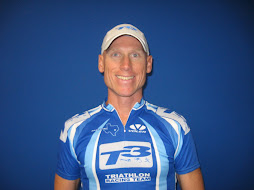
Taking a trip for tri’s.
So here I sit thinking about my next tri and it got me thinking about how I always forget something when I travel for a triathlon. No matter how many lists I make and how many times I check over what I have packed I always forget something. I then end up buying one at an expo or if I am lucky, at a local bike shop.
Sometimes it’s not even part of the race that holds me up. Coming back from IMCDA last week I found out the hard way that my Texas state ID was expired……. By over 6 months!! That just caused more of a delay and all I wanted to do was get home and sleep in my own bed. But I did learn that you can fly with an expired ID as long as it’s not over 1 year expired. Or you can go the Chrissie and Joe route and use your Costco ID. Not sure how that was considered a federal ID but hey…. it worked.
I also learned yesterday that if you’re lucky and take your bike on the plane with you in a bike box and the person at the counter is not paying attention then not only do they not charge you for the bike on the way out that you also get the bike brought back for free because the ticket counter person is totally not paying attention. Wow…. I think this the longest sentence ever!
So here are some basic tips to make your tri travels a little less worrisome.
- Have a plan before you take off. Don’t fly by the seat of your pants.
- Don’t pack your helmet in your luggage. Put it in your carry on.
- Don’t forget the little things. Tubes, chamois butter, sun block, park tool and other such things.
- Stay hydrated. Airplanes such the hydration right out of you.
- Try and stay away from the bad food at the airport and stay clear of the beers before the race. After the race is a different story.
- Don’t forget your USAT card.
Have safe travels.
Monday, June 29, 2009

Friday, June 12, 2009
"A" race done....now what???
The process of becoming a better athlete and improving ourselves via the sport of triathlon is most often best supported by the setting and achieving of goals. Most of us do this on a regular basis -- setting race goals, training goals, nutrition goals, mental goals -- the list can be long; specific; general; and dynamic. The most important thing, in my opinion, is that it is "never-ending".
The setting and achieving of goals should be an on-going process. One that evolves depending on what you've achieved in the past, what is going on in the current, and where you would like to see yourself in the future. If you have a "stale" goal list...it will most likely be reflected in your training and day-to-day.
One of the biggest hurdles comes after completing an "A" race. You've put hours and hours of focus into one race for months. You race the race...and then the question becomes "now what?". This can be a sticky spot. Most of us can feel tired and ready for a break after an A-race...because so much effort and focus was put into it. So, if we don't make an effort to look beyond, we will find ourselves sitting on the couch for weeks after the race and we'll wake up a month later and wish we hadn't let that much time slip!
Now, I'm not saying you shouldn't take a break. Enjoy some time off from training after completing your "A" race -- it is important for the longevity of your triathlon lifestyle. BUT -- have a good idea of when the "time off" should come to an end or when you want to start building back into things. Have a game plan. Set these post-race goals. (and my advice...set these post A-race goals before your A-race. I know...I know...we've got to focus on the task at hand and not be distracted by what comes after it. But, at the same time, having an idea or a sense of what will come after your race can be empowering and calming as you head into your race).
Some suggestions on how to incorporate rest and variety into post A-race life...while holding onto the great fitness that you spent so much time and energy building:
- Take a full week or two off. You won't get "out of shape" that quickly!
- Switch the focus from feeling like you have to achieve certain times or paces at your workouts to focusing completely on technique and skill. Take some of the 'pressure' off.
- Spend a majority of your workouts training your favorite sport. OR, conversely, spend the time training your worst sport. For example: my worst sport out of the three is the running....so I would run 4-5 short runs each week and then just bike or swim when I feel like it.
- Add some "non-triathlon" training into your weekly routine -- yoga, rock climbing, weight lifting, kayaking -- try some other things that will still allow you to stay fit!
- Have a 2-week cycle -- spend 2 weeks working on swimming; 2 weeks working on cycling; 2 weeks working on running. -- this sort of variety will seem very refreshing and allow for a simple focus.
And, at the end of the day, my goal for all my athletes is that they embrace triathlon as a "lifestyle"....not just something they do so they can finish a race. You will get the most out of what triathlon has to offer if you think of it this way.
Happy Training!
~Coach Chrissie
Friday, May 29, 2009
“I'd rather be 10 percent undertrained then 1 perent overtrained.”— Michellie Jones
A lot of races are coming up and a few athletes may have the desire to do a few extra workouts, push themselves a little bit harder, or try to make up missed practices in hope of becoming the fastest they can be on race day. Unfortunately, all they are doing is undermining their training and setting their selves up for disaster. When athletes disregard their training plans and do an extra workout each week, or push their body past their endurance, strength, and speed limits, they increase the chances of injury, illness, burnout and overtraining.
I know with the desire to do well, it will lead to temptations to do more or work harder. You think about that swim practice you slept in or the day you missed a track practice because of work/happy hour/etc… and the day you only rode 60 instead of 110 because the rain and lighting prevented you from finishing it and you think I need do more to catch up. Well, you can’t! Missing that workout or cutting it short will not have any effect on your performance. Trying to make up for it could have an affect, but not in a good way.
Basically, when an athlete tries too hard to improve their performance and train beyond the body's ability to recover it is known as Overtraining.
Symptoms of Overtraining are:
Fatigue
Problems with sleep
Stress
Weakened immune system
Depression
Elevated resting Heart Rate
Inability to relax, twitchy, fidgety
Not meeting your workout goals
The intelligent athlete trains within the body’s limits and only pushes their threshold during their scheduled workouts. They follow their training plan and trust that it will get them in the best possible position for their ‘A’ race. I know that everyone has heard the tern ‘no pain, no gain’, but each workout has a purpose and not every workout needs to be max effort or max intensity.
When a workout becomes very hard, your speed decreases noticeably, or your technique changes, it is time to call it a day. If you’re unsure about it, ask a coach and let them know how you feel and what’s going on. It’s a coach’s job not only to motivate you, but to keep you from overtraining. The better you do at a race, the better you make us look.
Coach C.
I know with the desire to do well, it will lead to temptations to do more or work harder. You think about that swim practice you slept in or the day you missed a track practice because of work/happy hour/etc… and the day you only rode 60 instead of 110 because the rain and lighting prevented you from finishing it and you think I need do more to catch up. Well, you can’t! Missing that workout or cutting it short will not have any effect on your performance. Trying to make up for it could have an affect, but not in a good way.
Basically, when an athlete tries too hard to improve their performance and train beyond the body's ability to recover it is known as Overtraining.
Symptoms of Overtraining are:
Fatigue
Problems with sleep
Stress
Weakened immune system
Depression
Elevated resting Heart Rate
Inability to relax, twitchy, fidgety
Not meeting your workout goals
The intelligent athlete trains within the body’s limits and only pushes their threshold during their scheduled workouts. They follow their training plan and trust that it will get them in the best possible position for their ‘A’ race. I know that everyone has heard the tern ‘no pain, no gain’, but each workout has a purpose and not every workout needs to be max effort or max intensity.
When a workout becomes very hard, your speed decreases noticeably, or your technique changes, it is time to call it a day. If you’re unsure about it, ask a coach and let them know how you feel and what’s going on. It’s a coach’s job not only to motivate you, but to keep you from overtraining. The better you do at a race, the better you make us look.
Coach C.
Tuesday, May 19, 2009
Core & More
Everyone knows the value of maintaining a strong CORE. We do crunches, plank, squats, lunges, jump rope, push-ups, hamstring curls and any other exercises that we can think of to increase our strength. Keeping up with these exercises provides huge benefits during the training season, including helping with injury prevention, balance and stability. This we know.
However, one thing that athletes sometimes fail to understand is how much load these core exercises can put on their muscles (especially leg exercises like lunges & squats). Below are a few important points to consider:
FIRST: You want to be especially careful with your core workout during the taper phase of your training. It is important to head into race day with muscles that are fresh and rested. I found last year that many athletes were still attending core class the week before their big race. They would cut their swim/bike/run mileage or intensity, but they were still pounding out the lunges and squats just a few days before race day.
My plan of attack leading up to an "A" race is to cut out my "intense" core work for at least two weeks before the race. It is ok to do some light core exercises (ex. crunches or plank), but I steer clear of leg exercises or anything that is going to load my muscles (a.k.a. make them sore). If I am heading into a "training race" that is lined up on my schedule, I will still meet my core hours for the week but may decrease the intensity to 70-80%. The overall benefits of completing the core class are more important for my training, but I still want to limit soreness going into a race.
SECOND: An extra yoga class is a good way to supplement your core workout for the few weeks leading up to your "A" race. This is a great way to incorporate light core work into your training without putting too much stress on the muscles. It also forces you to stretch more than you probably would...which of course if ALWAYS helpful!
NEXT: Don't try to "cram" in all of the core workouts you missed along the way. Ideally you want to keep up with your workouts throughout the season. However, if you don't...three weeks before your big race is not the time to start doing 100 pushups per day. Try to incorporate some light core work into your schedule, but don't ramp up the intensity at the last minute.
FINALLY: Leading up to race-day, you will also want to steer clear of trying any NEW core exercises. In other words, you don't want to start doing yoga the week before a race if you have never been to a yoga class before. If your body is not used to certain exercises, you will most likely feel some sort of soreness or stiffness after that workout. The last thing you want to do is pull something or injure yourself trying something new right before the race. Just like they say, "don't try something new on race day." The same applies for the week before the race!
If you have any questions about core exercises, feel free to ask! Happy training!
-Coach Suzanne
However, one thing that athletes sometimes fail to understand is how much load these core exercises can put on their muscles (especially leg exercises like lunges & squats). Below are a few important points to consider:
FIRST: You want to be especially careful with your core workout during the taper phase of your training. It is important to head into race day with muscles that are fresh and rested. I found last year that many athletes were still attending core class the week before their big race. They would cut their swim/bike/run mileage or intensity, but they were still pounding out the lunges and squats just a few days before race day.
My plan of attack leading up to an "A" race is to cut out my "intense" core work for at least two weeks before the race. It is ok to do some light core exercises (ex. crunches or plank), but I steer clear of leg exercises or anything that is going to load my muscles (a.k.a. make them sore). If I am heading into a "training race" that is lined up on my schedule, I will still meet my core hours for the week but may decrease the intensity to 70-80%. The overall benefits of completing the core class are more important for my training, but I still want to limit soreness going into a race.
SECOND: An extra yoga class is a good way to supplement your core workout for the few weeks leading up to your "A" race. This is a great way to incorporate light core work into your training without putting too much stress on the muscles. It also forces you to stretch more than you probably would...which of course if ALWAYS helpful!
NEXT: Don't try to "cram" in all of the core workouts you missed along the way. Ideally you want to keep up with your workouts throughout the season. However, if you don't...three weeks before your big race is not the time to start doing 100 pushups per day. Try to incorporate some light core work into your schedule, but don't ramp up the intensity at the last minute.
FINALLY: Leading up to race-day, you will also want to steer clear of trying any NEW core exercises. In other words, you don't want to start doing yoga the week before a race if you have never been to a yoga class before. If your body is not used to certain exercises, you will most likely feel some sort of soreness or stiffness after that workout. The last thing you want to do is pull something or injure yourself trying something new right before the race. Just like they say, "don't try something new on race day." The same applies for the week before the race!
If you have any questions about core exercises, feel free to ask! Happy training!
-Coach Suzanne
Monday, May 11, 2009
Are you mental????
Having your head on straight is a key element to any distance triathlon. It doesn’t matter if it’s a super sprint or an ultraman, you need to have your wits about you.
The biggest things I think I can stress to you all is that your need to trust your training. Doing the work will work better for you than say going out and buying a new crank, fancy wheels or a pointy helmet. The training is what gets you to the start line and then the finish line.
Mental focus throughout your training is HUGE!!!! Staying focused at the task at hand has done me wonders when I am trying to push through whatever obstacle I am have thrown at me at that time. This weekend on the long ride there were a few times where I was letting my mind wander and I caught myself thinking of other things other than the ride. Not only does focusing on the task @ hand keep you safe but I believe it will get you to the finish line faster. If I start to think of the Red Sox game the night before my cadence falls off and then the speed decreases. Not good!! Throughout my rides and runs I go through my mental checklist to make sure I am still focusing on what I am doing. If it’s the bike I am focusing on my cadence, foot position, my shoulders and of course…. am I drinking enough water? My run I focus on my foot strike, my knees, my back and of course….am I drinking enough water?
The last few weeks (when I have been healthy) I have been doing a lot of my workouts solo or with one other person so that I don’t get caught up in the social aspect of the workout. It’s just me out there and no one else. I have really seen improvements in my mental strength during workouts because of the lack of distractions. My mental focus is sharper and I am having better rides, runs and even swims.
In closing……again trust your training. It’s what is going to get you where you want to be.
Stay focused
Stay sharp
Stay on top of YOUR game
Coach Logan
The biggest things I think I can stress to you all is that your need to trust your training. Doing the work will work better for you than say going out and buying a new crank, fancy wheels or a pointy helmet. The training is what gets you to the start line and then the finish line.
Mental focus throughout your training is HUGE!!!! Staying focused at the task at hand has done me wonders when I am trying to push through whatever obstacle I am have thrown at me at that time. This weekend on the long ride there were a few times where I was letting my mind wander and I caught myself thinking of other things other than the ride. Not only does focusing on the task @ hand keep you safe but I believe it will get you to the finish line faster. If I start to think of the Red Sox game the night before my cadence falls off and then the speed decreases. Not good!! Throughout my rides and runs I go through my mental checklist to make sure I am still focusing on what I am doing. If it’s the bike I am focusing on my cadence, foot position, my shoulders and of course…. am I drinking enough water? My run I focus on my foot strike, my knees, my back and of course….am I drinking enough water?
The last few weeks (when I have been healthy) I have been doing a lot of my workouts solo or with one other person so that I don’t get caught up in the social aspect of the workout. It’s just me out there and no one else. I have really seen improvements in my mental strength during workouts because of the lack of distractions. My mental focus is sharper and I am having better rides, runs and even swims.
In closing……again trust your training. It’s what is going to get you where you want to be.
Stay focused
Stay sharp
Stay on top of YOUR game
Coach Logan
Tuesday, April 28, 2009
A bad day...
This past weekend I ran the Oklahoma Memorial Marathon in Oklahoma City. I was living in Oklahoma when the bombing happen so this marathon and the meaning behind it had a special place for me. It was also going to be nice to run around my old neighborhoods and in front of my old friends. My long runs have been going well and I could tell from my track workouts that my speed was still good. I made sure the week leading up that my nutrition was right, I was hydrating, backing off a few workouts and trying to get some rest leading up to the race. I bring this up because by all accounts I should have had a good race, maybe even a PR.
My body did not care that it was a memorial race; It did not care that I was running in my old neighborhoods; It did not care that I wanted to do well. My body just decided, that on this day, to breakdown and not perform the way it should. Maybe it was the heat, the humidity, the stress building up from work, life and training, but whatever it was, it decided at mile 8 that it has had enough. I had no energy, my legs left heavy, and my body started cramping. By the time I hit the halfway point I was walking. Thirteen miles from the finish I knew my race was over and the thought of struggling and limping in was not a pleasant picture. I continued to struggle mentally and physically, but I kept telling myself that I was okay and I wasn't doing that bad. It’s hard to believe that when your running as fast as you can and you see the pace groups pass you by. First it was the 3:20 group, than the 3:30, 3:40 and eventually you see the 4:15 group run pass you like you were standing still. By the time the 4:15 group passed me I may have been standing still, I could barely walk by mile 20. My calf would tighten up ever time I picked my pace up, walking was all I could do.
I stopped at a med tent around mile 21 to see if they could help me. I got a banana and a Gatorade while the medical personal tried to massage my legs. The longer I stayed there the colder I got and the more my legs cramped. One of the other runners was waiting for the sag wagon to take him to the finish and they asked me if I wanted to quit. The thought crossed my mind and at that moment I wanted to quit. I have often said that you can’t control the weather, the other runners, the course, or even your own body, the one thing you can control is quitting. I knew at that moment my words had come to slap me in the face and now it was my time to make that choice, I could continue or quit, so I continued. I started walking again and tried to run when I could, but I walked about 6 of the last 7 miles to the finish. On a day where everything should have been great, it turned out to be a personal worst in a marathon.
People have asked what happened and I really don’t know. I have a lot of theories but that is all they are. What I do know is that no matter how bad I felt or how bad I wanted to quit, I did not, and that is something I can take from this race and feel pretty good about it.
Coach C.Monday, April 20, 2009
Time to Get Organized!
My goal for the last four or five weekends has been to clean my apartment. Each weekend I have really good intentions of getting this done after the long ride on Saturday, and then each weekend I put it off. I get home from the long ride feeling tired and hungry, so (of course) cleaning is the last thing that I want to do. I am not talking about normal everyday cleaning that needs to get done, but random tasks that stack up over time - cleaning the fan blades, hand washing my delicate shirts, dusting shelves, cleaning the shower, etc. And it's not just cleaning - it's making time to mail a birthday card, to call my grandparents, to respond to personal emails, to pay bills, to create a budget, to cook a healthy dinner, etc. Then you add the training tasks to the mix - washing water bottles, washing clothes, unloading your car, packing bags, unpacking bags, cleaning bikes, buying training nutrition. And the list keeps going!
I bring this up because I would consider myself an organized person...but all bets are off during a long training season! I've noticed that the longer my training hours get, the more disorganized that I start to feel. I have less time for myself and less time to get things done. Some of you are veteran triathletes and have already created systems to keep up with everything that training has to throw at you. But some of you are new to the sport and may find yourself falling into the same trap. Below are a few tips that I found helpful as I started to increase my training hours - I hope they will help you to stay organized!
Keep it in Your Car: Rather than keeping your gear in your house/apartment and remembering to pack it for every workout, keep it in your car. The best trick I found is to keep a bin or box in the back of your car for all your gear - bike shoes, running shoes, nutrition, extra water bottles, extra socks, extra tubes, etc. This method keeps everything organized in one place and really cuts down on your chances of forgetting anything.
Buy in Bulk & Get a Bowl: When I first started training, I would go to the store each week and buy enough gels, bars, etc. for that week of training. Half the time it would be Friday night and I would realize that I only had two gels left for the morning ride. My remedy for this was to start buying in bulk. I have a big bowl in my kitchen where I keep ALL of my nurition products (sort of like a trick-or-treating bowl for triathletes!). This way I never run out, I can easily see when my supply is getting low, and I can quickly grab and go.
Packing & Unpacking: As triathletes, we are constantly packing workout bags in the morning and unpacking them at night. I don't know of a great way to get around this process, but I have found that it is helpful to have one bag that you use all the time. I keep all the essentials in that one bag (brush, shampoo, towel, extra contacts, extra t-shirt, etc). This way I always know that regardless of what I may forget, I have the essentials with me (either in my bag or in my car). It also cuts down on the "Oh man, I left that in my other bag" syndrome. Making sure to unpack your bag as soon as you get home helps too, otherwise you will end up with five half-packed bags and won't be able to find any of your gear (umm, this one I can speak from experience).
Store in One Place & Buy Extras: The best examples I have for this are water bottles and socks. At one point, I was operating on a few good pairs of socks during the week. I was scrambling to find two that matched as I ran out the door and would end up all flustered over socks! Although it sounds (super) simple, I went to Target and bought a bulk bag of athletic socks. I put them all in one drawer and now I never run out...and I don't have to spend 10 minutes searching for a match because they are all the same! Same goes for water bottles. I bought a bin to keep under my sink for the bottles and a bowl for the caps. We all have what seems like a million bottles and caps, so this keeps them organized and easy to access.
Keep it Simple & Keep Perspective: The most important thing to remember is that you only have so much time during training season. Try to put these tasks into perspective and tackle them one at a time. Would I like to clean my fan blades on Saturday afternoon...yes. Does it really matter...no. Set one goal for the day and focus on getting that done. There is always something more that you can do, but don't let that get you down. Keep it simple!
I was talking with a friend of mine last night who is a professional triathlete and it was comforting to learn that she experiences the same struggles wtih organization during training. We are busy people with rigorous schedules, so it is important to find a system that works for you. I hope these tips will help you to stay organized - I know they helped me!
Coach Suzanne
I bring this up because I would consider myself an organized person...but all bets are off during a long training season! I've noticed that the longer my training hours get, the more disorganized that I start to feel. I have less time for myself and less time to get things done. Some of you are veteran triathletes and have already created systems to keep up with everything that training has to throw at you. But some of you are new to the sport and may find yourself falling into the same trap. Below are a few tips that I found helpful as I started to increase my training hours - I hope they will help you to stay organized!
Keep it in Your Car: Rather than keeping your gear in your house/apartment and remembering to pack it for every workout, keep it in your car. The best trick I found is to keep a bin or box in the back of your car for all your gear - bike shoes, running shoes, nutrition, extra water bottles, extra socks, extra tubes, etc. This method keeps everything organized in one place and really cuts down on your chances of forgetting anything.
Buy in Bulk & Get a Bowl: When I first started training, I would go to the store each week and buy enough gels, bars, etc. for that week of training. Half the time it would be Friday night and I would realize that I only had two gels left for the morning ride. My remedy for this was to start buying in bulk. I have a big bowl in my kitchen where I keep ALL of my nurition products (sort of like a trick-or-treating bowl for triathletes!). This way I never run out, I can easily see when my supply is getting low, and I can quickly grab and go.
Packing & Unpacking: As triathletes, we are constantly packing workout bags in the morning and unpacking them at night. I don't know of a great way to get around this process, but I have found that it is helpful to have one bag that you use all the time. I keep all the essentials in that one bag (brush, shampoo, towel, extra contacts, extra t-shirt, etc). This way I always know that regardless of what I may forget, I have the essentials with me (either in my bag or in my car). It also cuts down on the "Oh man, I left that in my other bag" syndrome. Making sure to unpack your bag as soon as you get home helps too, otherwise you will end up with five half-packed bags and won't be able to find any of your gear (umm, this one I can speak from experience).
Store in One Place & Buy Extras: The best examples I have for this are water bottles and socks. At one point, I was operating on a few good pairs of socks during the week. I was scrambling to find two that matched as I ran out the door and would end up all flustered over socks! Although it sounds (super) simple, I went to Target and bought a bulk bag of athletic socks. I put them all in one drawer and now I never run out...and I don't have to spend 10 minutes searching for a match because they are all the same! Same goes for water bottles. I bought a bin to keep under my sink for the bottles and a bowl for the caps. We all have what seems like a million bottles and caps, so this keeps them organized and easy to access.
Keep it Simple & Keep Perspective: The most important thing to remember is that you only have so much time during training season. Try to put these tasks into perspective and tackle them one at a time. Would I like to clean my fan blades on Saturday afternoon...yes. Does it really matter...no. Set one goal for the day and focus on getting that done. There is always something more that you can do, but don't let that get you down. Keep it simple!
I was talking with a friend of mine last night who is a professional triathlete and it was comforting to learn that she experiences the same struggles wtih organization during training. We are busy people with rigorous schedules, so it is important to find a system that works for you. I hope these tips will help you to stay organized - I know they helped me!
Coach Suzanne
Subscribe to:
Posts (Atom)